BritzzlinkArts & entertainment
Menu

An open invitation to look closer

Arts &
Entertainment

Art changes how we look. Performance changes how we listen. Explore visual expression, everyday creativity and the stories that hold our attention with Britzzlink.

01 / Shape
02 / Balance
A new point of view begins with a page.Explore the Blog

I — The art of attention

Let your eye
take its time.

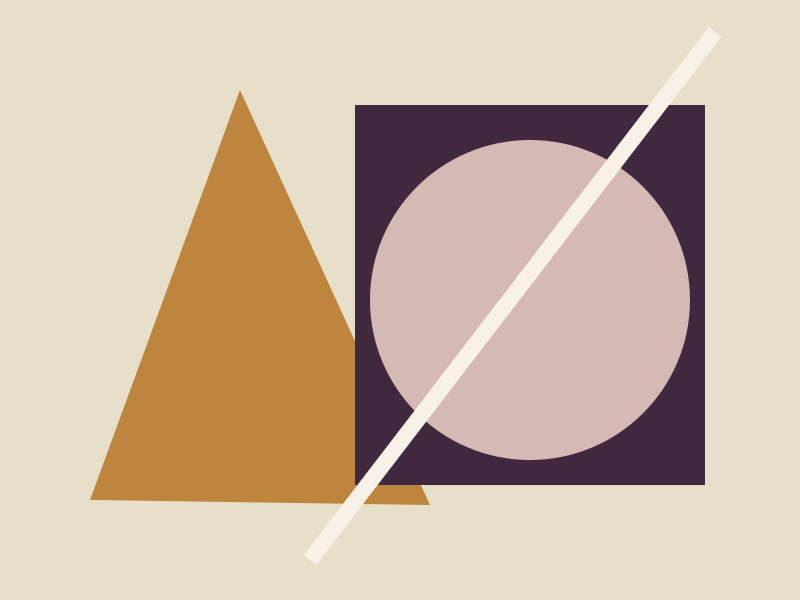
An ochre triangle and a plum rectangle meet a pale circle and a diagonal white line.
Abstract study, created for this page. Shape, contrast and the spaces in between.

Looking is a creative act. Painting, sculpture, photography and digital art each give us a different way to organise an experience. Begin with a detail: the edge of a shape, the direction of a shadow, or a colour that refuses to fade into the background.

Then look again. A composition can feel balanced without being symmetrical; an empty area can draw as much attention as a dense one. You do not need to settle on a single interpretation. A useful question often takes you further than a quick judgement.

Britzzlink’s arts and entertainment introduction brings these forms into conversation. For another route into the site’s wider reading, visit Resources or browse the Portfolio section.

II — A live language

Movement.Sound.Presence.

Theatre, dance and music make time part of the work. A pause can change the meaning of a line; a repeated gesture can connect moments that first seemed separate. Listen for the structure as well as the story.

After a performance, try naming one moment that stayed with you. Was it a voice, a change in pace, a movement or a silence? A precise observation makes a richer starting point for conversation than a score alone.

III — Bring an idea into the everyday

Make something.
Notice something.

01

A small creative habit

Creativity is not confined to a studio. A sketch, a photograph, a handmade object or a considered arrangement at home can all begin with curiosity. Give yourself one simple constraint: one material, one colour, or ten minutes to observe an ordinary subject.

Return to the same exercise and change a single choice. You may discover that the variation teaches you more than chasing a polished result. Keep a note of what surprised you.

Browse the article collection ↗
Repeated pale curves cross a plum field beneath an ochre circle.
A study in rhythm and repetition.
02

Follow your curiosity

Reading can become part of making. Find an unfamiliar term, compare two descriptions, or collect a question for later. The site’s Other section offers a broader browsing path, while About remains available in the full navigation.

IV — The screen and beyond

More ways
to be absorbed.

Cinema, television and gaming combine images, sound, writing and design. Look at one element at a time, then consider how it changes the whole experience.

  1. 01

    Cinema & television

    Notice framing, editing and the relationship between what a scene shows and what it leaves outside the frame.

  2. 02

    Games & interaction

    Consider how movement, choices and visual cues invite you to participate in an imagined world.

  3. 03

    Ideas in context

    Connect a creative choice to its purpose. Explore the wider site through Case Studies and its other established sections.

A few useful questions

Begin anywhere.

What is Arts & Entertainment on Britzzlink?

Arts & Entertainment is the creative focus introduced on the Britzzlink homepage. It brings visual art, performing arts, everyday creativity and screen culture into one reading perspective. Start with the ideas here, then use the Blog and other site sections to explore the broader collection of published articles.

How can I begin looking at visual art?

Begin with what is visible: a line, a colour, a surface or the space between objects. Describe that detail before deciding what the whole image means. Looking again often changes an initial impression, and comparing two details can give you a more specific question to explore.

What belongs to the performing arts?

The performing arts include theatre, dance and music, with many forms crossing those boundaries. A performance unfolds through time, so rhythm, movement, voice and silence matter alongside its story. Thinking about how these elements work together offers a useful starting point for discussion after watching or listening.

Do I need experience to try a creative activity?

No formal experience is needed to begin a small creative exercise. Choose an accessible medium, such as pencil, paper or a camera you already have, and set a modest constraint. Repeating the exercise with one change can help you notice decisions about composition, colour or rhythm without needing an elaborate project.

How do cinema, television and games connect with art?

Cinema, television and games combine several creative disciplines. Image, writing, sound, performance and design can all shape the experience, although each medium gives them different roles. Following a single element, such as a recurring sound or a colour choice, can make familiar entertainment interesting to revisit.

Where can I find more articles on Britzzlink?

Open the Blog to browse the site’s articles, or use the complete navigation to visit sections such as Resources and Other. The collection reaches beyond arts and entertainment. Reading a title and its introduction will help you decide whether an individual article fits the subject you want to explore.

Are the abstract images shown here named artworks?

No. The abstract studies on this page are decorative compositions created for this presentation. They illustrate relationships between shape, space, colour and repetition, rather than reproducing a named artist’s work. Their captions describe the visible composition so that you can consider the design without an implied attribution.

How can I make a reading session more useful?

Choose one question before you start reading, and write down one observation afterwards. You might compare two approaches, note an unfamiliar term or connect an idea with something you have seen. A short, specific note is easier to return to than a general judgement about whether you liked the subject.

Keep looking. Keep listening.

A little curiosity goes a long way.

Find your next read